Quick Overview
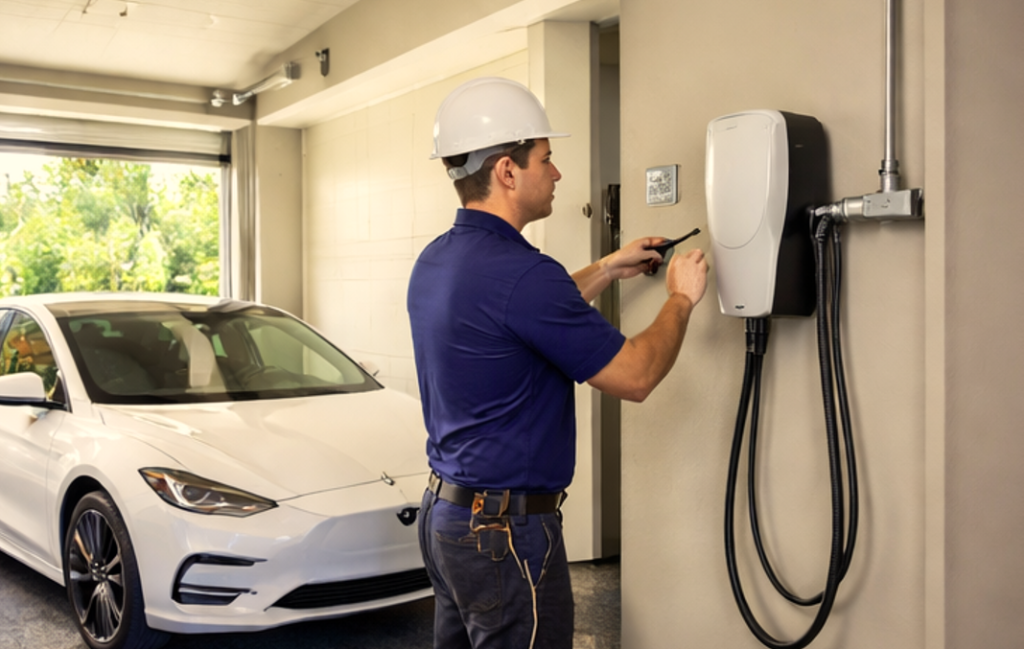
Tesla Charger Installation Houston refers to the process of installing a Tesla Wall Connector or compatible Level 2 EV charger at a residential or commercial property in Houston, Texas. The installation requires a dedicated electrical circuit, proper wiring, and compliance with electrical safety codes to ensure efficient and safe charging.
Estimated Installation Cost in Houston
Typical cost ranges between $900 and $2,500 depending on wiring distance, electrical panel capacity, and charger hardware.
Typical Installation Time
Most installations take 2 to 5 hours, although panel upgrades or complex wiring may extend the process.
Suitable Charger Types
- Tesla Wall Connector
- Universal Level 2 chargers with Tesla adapter
- Smart chargers compatible with Tesla vehicles
Why Tesla Charger Installation Houston Matters for EV Owners
Electric vehicles are rapidly becoming more common across Texas. Houston has seen a noticeable increase in EV adoption as drivers look for lower fuel costs and cleaner transportation.
Charging at home is one of the biggest advantages of owning an electric vehicle. A dedicated Level 2 charger allows drivers to recharge their vehicles overnight instead of relying on public charging stations.
Tesla Charger Installation Houston helps homeowners create a reliable charging setup that supports daily driving needs. Proper installation ensures that the charger operates safely while delivering consistent power.
Electric vehicle batteries charge faster and more efficiently when connected to a properly installed Level 2 system. This makes home charging far more convenient for most EV owners.
Local Houston EV Charging Requirements
Residential EV charger installations in Houston must consider several local factors. Electrical infrastructure varies between older homes and newer developments. Some homes built before 1990 may have smaller electrical panels that limit charging capacity.
Weather conditions also influence installation decisions. Houston experiences high humidity, heavy rain, and occasional storms. Outdoor chargers therefore require weather-rated equipment and sealed conduit to protect wiring.
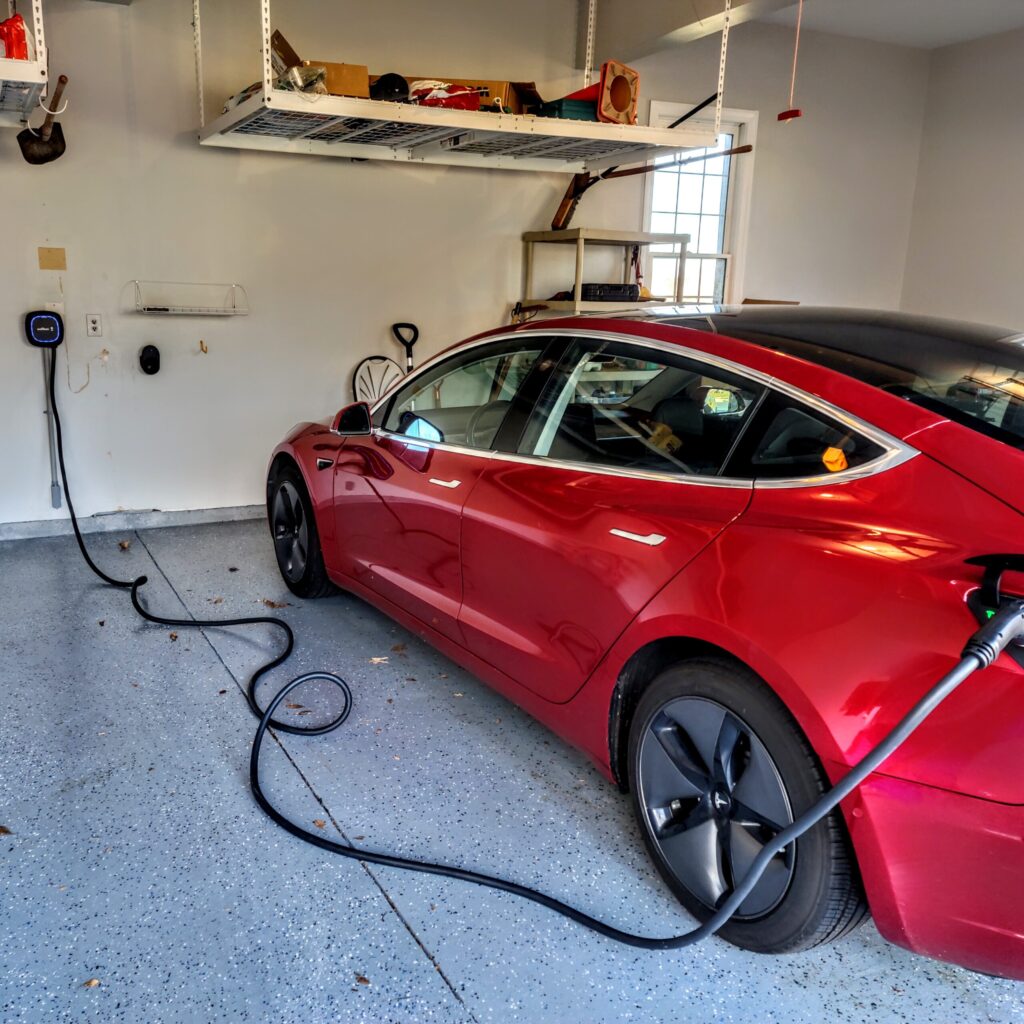
Garage installations are common in suburban neighborhoods where vehicles can be parked indoors. Driveway installations are also common when garages are used for storage or when homes have limited indoor space.
Many Houston EV drivers use charging equipment from well-known manufacturers.
Tesla produces the Tesla Wall Connector, designed specifically for Tesla vehicles and capable of high charging speeds.
ChargePoint offers smart chargers that integrate with mobile apps and energy monitoring systems.
JuiceBox chargers provide flexible installation options and support for multiple EV brands.
Each option provides reliable home charging but differs in compatibility and smart features.
How Tesla Charger Installation Houston Works Step by Step
A professional installation follows a structured process to ensure safety and performance.
Site Assessment
The electrician evaluates the property and determines where the charger will be mounted. They also measure the distance from the electrical panel to the installation location.
Electrical Panel Inspection
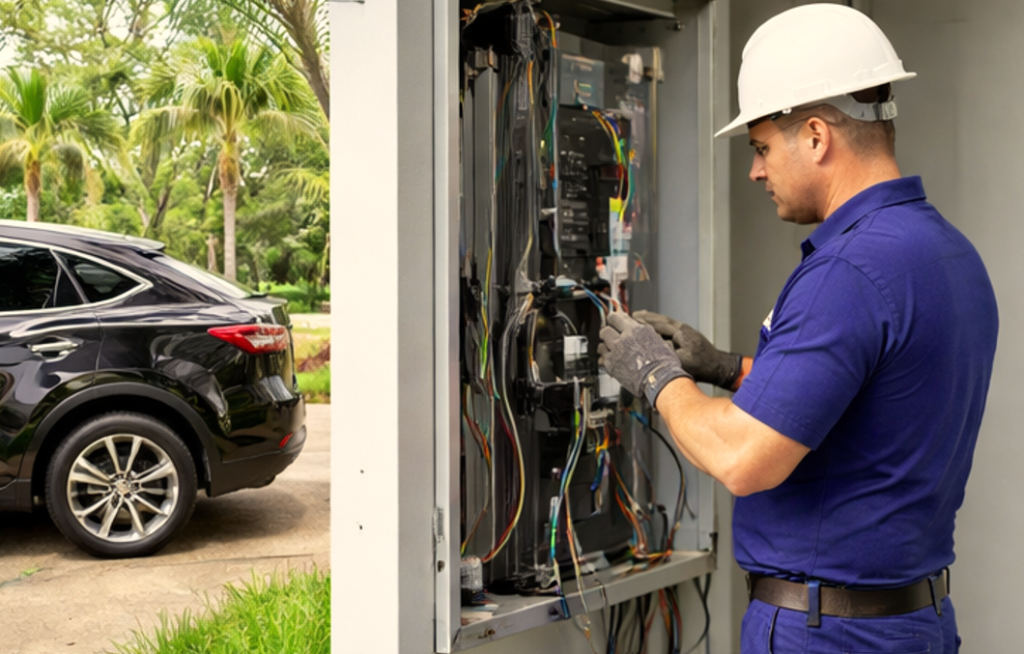
The electrical panel must support a dedicated circuit for the EV charger. Most Level 2 chargers require a 40 to 60 amp breaker.
Dedicated Circuit Installation
Electricians install a new circuit that runs directly from the panel to the charger. This prevents electrical overload and ensures consistent power delivery.
Wiring and Conduit Routing
Copper wiring is routed through conduit between the panel and the charger. Outdoor installations require weather-sealed conduit to protect wiring.
Charger Mounting
The Tesla Wall Connector or compatible charger is mounted securely on a wall or post near the parking area.
System Testing and Activation
Once wiring is complete, the electrician tests voltage levels, activates the charger, and confirms proper communication with the vehicle.
Real-World Installation Scenario in Houston
Consider a typical home in northwest Houston where a homeowner recently purchased a Tesla Model Y.
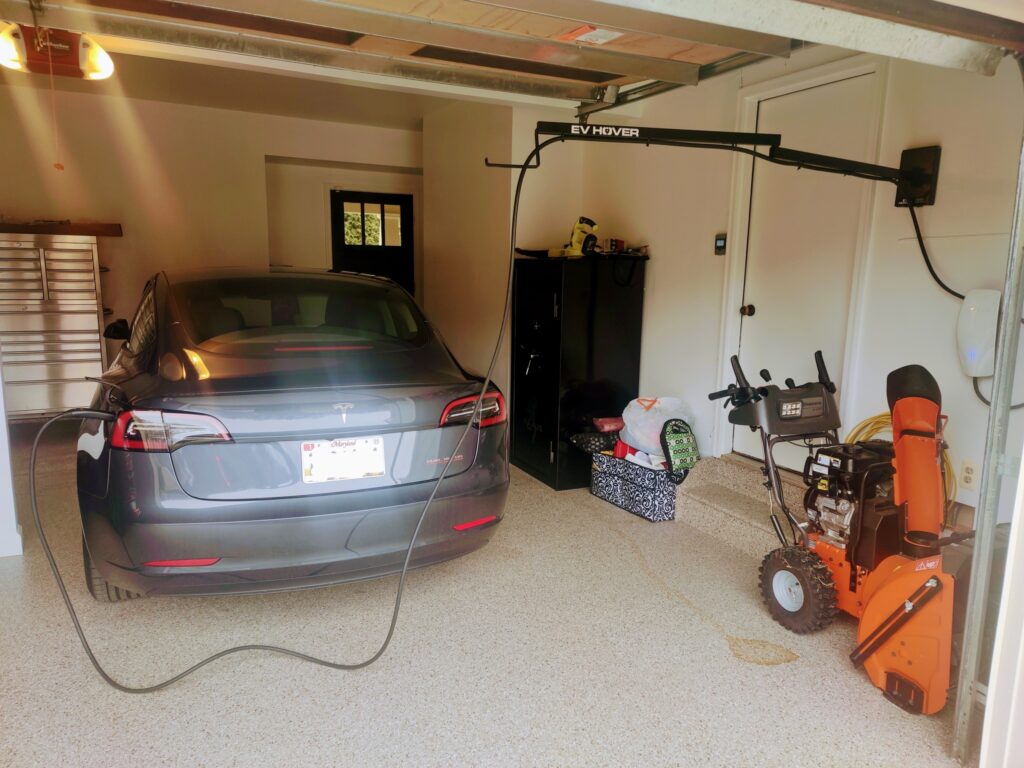
The homeowner wanted a charger installed in their garage to support daily commuting. The electrical panel was located in the same garage and had a 200-amp service capacity, which is common in newer Houston homes.
The electrician installed a 50-amp breaker and ran 6-gauge copper wiring to a Tesla Wall Connector mounted near the parking area.
During installation, the team noticed that the panel already supported several high-power appliances. Load calculations confirmed the panel could still handle EV charging without upgrades.
The charger was tested and configured using the Tesla mobile app. The vehicle successfully charged at approximately 40 amps, allowing the battery to recharge overnight.
This type of installation is typical for many Houston homes with modern electrical systems.
Electrical Requirements for EV Chargers
EV chargers operate at different power levels depending on the type of charger used.
Level 1 chargers use a standard household outlet and provide slow charging speeds. These chargers usually deliver about 3 to 5 miles of range per hour.
Level 2 chargers operate on a 240-volt circuit and charge significantly faster. Many systems deliver between 25 and 40 miles of range per hour.
Electrical requirements for Level 2 chargers typically include:
- 40 to 60 amp circuit breaker
- dedicated wiring
- grounded electrical connections
- proper load calculations
Tesla vehicles use a proprietary connector, but adapters allow Tesla vehicles to charge from universal J1772 chargers.
Many non-Tesla EV brands rely on the J1772 standard connector, making universal chargers compatible with multiple vehicles.
Charger Comparison Table
| Feature | Tesla Wall Connector | Universal Level 2 Charger |
|---|---|---|
| Connector Type | Tesla | J1772 |
| Charging Speed | Up to 48 amps | 32–48 amps |
| Vehicle Compatibility | Tesla vehicles | Most EV brands |
| Smart Features | Tesla app integration | App monitoring and scheduling |
This comparison helps homeowners decide which charger best fits their vehicle and charging needs.
Resolution-Focused Troubleshooting
Even properly installed chargers can occasionally experience issues.
Charger Not Powering On
If the charger does not turn on, the circuit breaker may be off. Resetting the breaker often restores power. If the problem persists, the wiring should be inspected.
Slow Charging Speed
Slow charging can occur when the vehicle limits power due to battery temperature. Checking charger settings and vehicle charging limits can often resolve this issue.
Breaker Trips During Charging
Breaker trips usually indicate excessive electrical load. Reducing charging amperage or installing a higher-capacity circuit may solve the problem.
Cost Factors Affecting EV Charger Installation in Houston
Installation cost varies depending on several factors.
Distance from the electrical panel is one of the most significant cost drivers. Longer wiring runs require more conduit and labor.
Electrical panel upgrades may increase the total cost if the home cannot support a new circuit.
Permit requirements can also influence pricing because inspections and documentation are required.
Typical cost components include:
- EV charger hardware
- electrical wiring and conduit
- installation labor
- permit and inspection fees
Most residential installations fall between $900 and $2,500, though complex installations may cost more.
Houston Electrical Codes and Permit Considerations
EV charger installations must follow the National Electrical Code (NEC) as well as local building regulations.
Houston requires electrical work involving new circuits to be performed according to approved standards. Licensed electricians ensure that wiring, grounding, and breaker capacity meet safety guidelines.
In many cases, an electrical permit is required before installation begins. The final system may also undergo inspection to confirm code compliance.
Following these requirements protects homeowners and ensures the installation operates safely.
Energy Efficiency and Charging Optimization
Homeowners can reduce charging costs by optimizing when and how they charge their vehicles.
Off-peak charging allows drivers to charge when electricity demand is lower. Some utility providers offer lower rates during these periods.
Smart chargers allow users to schedule charging sessions automatically through mobile apps.
Energy management systems can also balance household electricity use so EV charging does not overload the system.
These strategies improve efficiency and reduce long-term electricity costs.
EV Charger Compatibility by Vehicle Brand
Most modern EV chargers support multiple vehicle types.
Tesla vehicles work best with Tesla connectors but can also charge using adapters.
Many other EV brands use the J1772 connector, including Ford, Nissan, Hyundai, and Chevrolet electric vehicles.
Universal Level 2 chargers therefore support a wider range of vehicles while Tesla chargers provide seamless integration with Tesla software and charging controls.
EV Charger Installation Checklist for Homeowners
Before scheduling installation, homeowners should review several key factors.
- electrical panel capacity
- breaker space availability
- distance between panel and charger location
- indoor or outdoor installation environment
- internet connectivity for smart chargers
Preparing these details helps electricians plan the installation efficiently.
When an Electrical Panel Upgrade Is Required
Some homes require electrical upgrades before installing an EV charger.
Older homes may have panels rated below 100 amps. These systems may not support high-power charging.
Limited breaker capacity can also prevent installation of a new dedicated circuit.
Homes with 200-amp service panels typically support EV charging without major upgrades.
EV Charger Maintenance and Long-Term Reliability
EV chargers are designed for long service life with minimal maintenance.
Regular inspection of charging cables helps identify wear before it becomes a problem. Keeping connectors clean also ensures reliable charging performance.
Smart chargers occasionally receive firmware updates that improve efficiency and security.
Most residential charging systems operate reliably for 10 years or longer when installed correctly.
Pros and Cons of Home EV Charging
Pros
Convenient overnight charging
Lower charging costs compared to public stations
Reliable access to electricity at home
Cons
Initial installation cost
Possible electrical panel upgrades
Limited portability if you move homes
Future EV Charging Trends in Houston
Electric vehicle adoption in Houston is expected to continue increasing as more drivers transition away from gasoline vehicles.
Smart chargers are becoming more common as homeowners integrate EV charging with home energy systems.
Vehicle-to-home technology may eventually allow EV batteries to power homes during outages or peak electricity demand.
Residential charging infrastructure will likely remain the most important charging solution for everyday EV use.
Safety and Compliance Assurance
Electrical safety is essential when installing EV charging equipment.
Professional electricians verify that circuits are properly grounded and protected by suitable breakers. They also ensure wiring meets electrical standards and that chargers are securely mounted.
Reliable installers follow industry safety practices and local building codes to prevent overheating, electrical faults, and other hazards.
Proper installation ensures that EV chargers operate safely while delivering reliable performance for daily vehicle charging.