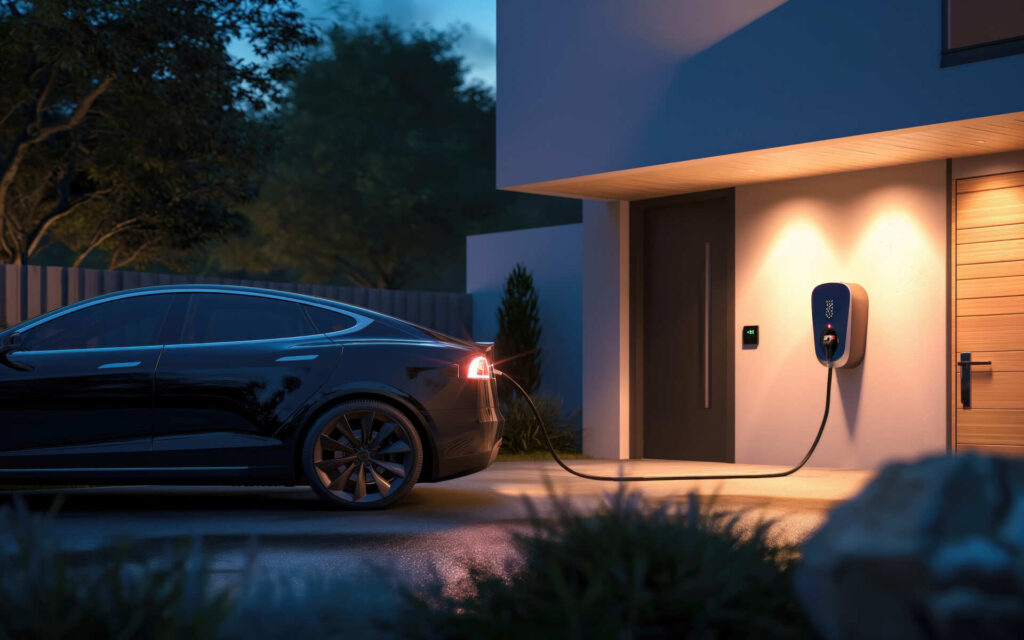
In the modern era everyon use Electric Chargers for Vehicals. The EV Charger Installation Cost in Houston is an essential consideration for homeowners who want safe and efficient home charging. Costs depend on electrical requirements, charger type, and installation complexity. A well-planned installation improves safety, convenience, and long-term reliability.
| Feature | Details |
|---|---|
| Estimated Installation Cost | $500 – $2,500 |
| Typical Installation Time | 2 – 6 hours |
| Suitable Charger Types | Level 1, Level 2, Tesla Wall Connector, JuiceBox, ChargePoint |
Expert Storytelling Introduction
Houston’s electric vehicle market has expanded rapidly in recent years. More residents are adopting EVs due to lower fuel costs, environmental benefits, and increasing public charging availability. However, home charging remains the most convenient option for daily use.
A proper home installation ensures your EV charges safely, quickly, and consistently. EV Charger Installation Cost in Houston directly affects homeowners because it encompasses not just the charger but also the electrical work needed to support it. Older homes often require panel upgrades or dedicated circuits to handle higher amperage Level 2 chargers.
Understanding these costs empowers Houston EV owners to make informed decisions, plan their installation, and prevent future electrical problems.
Local Market Context
Houston homes present unique considerations for EV charger installation:
- Electrical Infrastructure: Many homes have 100–200A panels, but Level 2 chargers often require an additional 40A. Panel upgrades may be necessary.
- Weather Considerations: Heat, humidity, and occasional rain require chargers rated for outdoor use if installed outside.
- Charger Options: Tesla Wall Connector is ideal for Tesla owners. JuiceBox and ChargePoint offer universal compatibility and smart energy features.
| Charger Manufacturer | Advantages |
|---|---|
| Tesla | Fast charging, integrates with Tesla app, high amperage |
| JuiceBox | Universal compatibility, Wi-Fi monitoring, smart scheduling |
| ChargePoint | Networked access, energy tracking, versatile installation |
Houston homeowners often choose Level 2 chargers for overnight charging convenience, reliability, and speed.
How EV Charger Installation Cost in Houston Works Step by Step
Proper installation ensures safety and optimal performance. Here’s a simplified step-by-step process:
- Site Assessment – An electrician evaluates your panel capacity, location, and any obstacles.
- Electrical Preparation – Install a dedicated 240V circuit, upgrade the panel if required, and verify wiring specifications.
- Mounting the Charger – Wall or pedestal installation; outdoor units require weatherproof enclosures.
- Connection & Testing – Connect the charger, test voltage and amperage, and ensure compliance with electrical codes.
- Professional Inspection – Some homeowners require municipal or utility inspections to certify safe installation.
| Step | Key Notes |
|---|---|
| Assessment | Check panel capacity, charger location, and possible obstacles |
| Preparation | Install dedicated 240V line; panel upgrade if needed |
| Mounting | Ensure wall/pedestal installation; outdoor-rated if outside |
| Testing | Verify voltage, amperage, and activation |
| Inspection | Optional inspection for safety compliance |
Real-World Installation Scenario
A Houston resident with a 2018 Nissan Leaf wanted a Level 2 charger in their garage. Their existing 100A panel could not support the new 40A circuit.
Challenges:
- Panel space was limited
- Garage layout required precise cord management
Solutions:
- Electrician upgraded the panel to 200A and rearranged circuits
- Installed a JuiceBox with a weatherproof cord holder
Outcome:
- Installation time: 6 hours
- Total cost: ~$1,800
- Result: Fast, safe, and reliable charging with smart energy monitoring
Technical Considerations and Resource Management
Home EV charger installations involve multiple technical factors:
| Factor | Requirement / Recommendation |
|---|---|
| Electrical Load | Level 2 chargers typically need 32–40A; check total home load |
| Breaker Panel | Dedicated breaker; 60A+ recommended for multiple chargers |
| Wiring | Copper wiring, 8–6 gauge recommended for Level 2 chargers |
| Charger Power Levels | Level 1: 120V (12–16 hrs), Level 2: 240V (4–8 hrs), Tesla Wall Connector: up to 48A |
| Compatibility | Ensure charger matches your EV’s input requirements for optimal speed |
Different devices and vehicles interact uniquely with chargers. Smart chargers allow scheduling, energy monitoring, and load management, which can reduce electricity costs and prevent panel overloads.
Resolution-Focused Troubleshooting
| Problem | Cause | Step-by-Step Solution |
|---|---|---|
| Charger Not Powering On | Tripped breaker, loose wiring | 1. Check breaker 2. Inspect wiring connections 3. Verify charger indicator lights |
| Slow Charging Speed | Low amperage, vehicle settings | 1. Confirm charger amperage 2. Check EV charging limit 3. Inspect wiring gauge |
| Breaker Trips During Charging | Circuit overload or short | 1. Ensure dedicated circuit 2. Inspect for shorts 3. Upgrade panel if necessary |
Proper troubleshooting prevents damage to both the EV and home electrical system while ensuring optimal charging performance.
Honest 2026 Utility Review
In 2026, EV Charger Installation Cost in Houston is still highly relevant due to continued growth in EV adoption. Level 2 chargers are now considered the standard for most homeowners. Modern alternatives include chargers with integrated solar support, load balancing, and smart network features.
Older Level 1 setups may work for low-mileage EVs but are increasingly insufficient for daily commuting. Investing in a high-quality installation ensures long-term usability, safety, and future-proofing.
Safety and Compliance Assurance
Safety is paramount for all EV charger installations:
- Electrical Safety: Avoid overloading circuits, ungrounded wiring, and improper breaker selection.
- Installation Standards: Follow National Electrical Code (NEC) and Houston municipal requirements.
- Professional Inspection: Certified electricians provide inspections and verification to ensure compliance.
Professional installers always follow industry safety practices and local electrical codes, reducing risks of fire, electrical shock, or damage to your EV.
Pros and Cons
| Pros | Cons |
|---|---|
| Faster charging than Level 1 | Higher upfront cost |
| Convenient home charging | May require panel upgrades |
| Safer with professional installation | Outdoor installation requires weatherproofing |
| Smart energy monitoring | N/A |