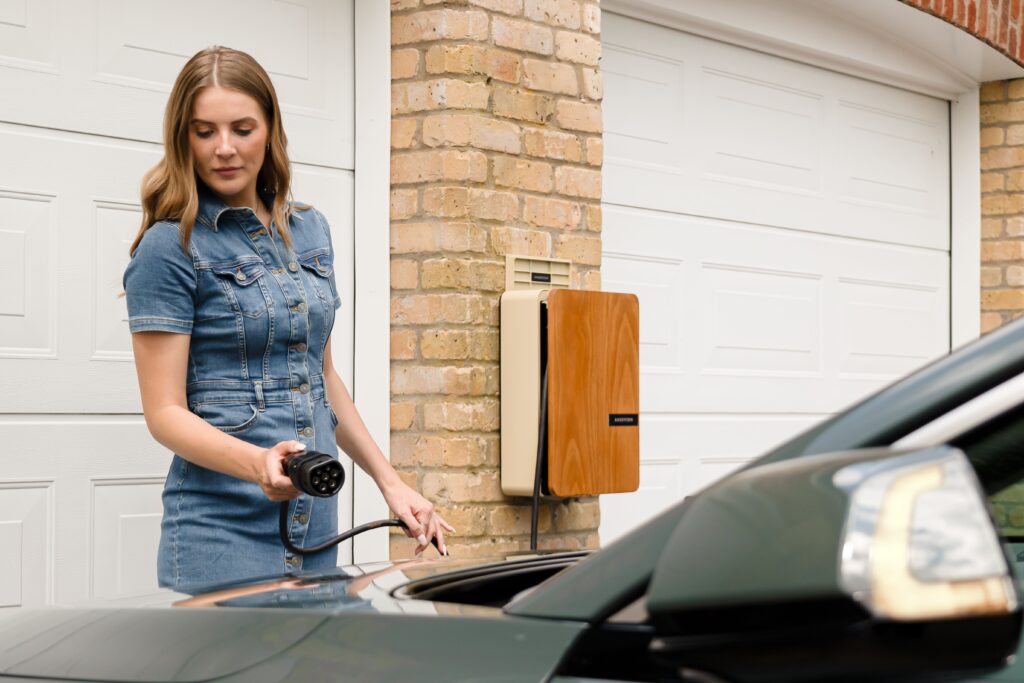
If you just bought an electric vehicle in Houston, one question comes up fast: where do I actually charge this thing at home?
Plugging into a standard 120V wall outlet works in a pinch, but it is slow — we are talking 3 to 5 miles of range per hour. For most Houston drivers, that is not a realistic daily solution. A dedicated home EV charger changes everything. You wake up every morning with a full charge, no trips to a public station, no waiting.
But getting there requires making a few smart decisions upfront. Which charger type is right for your home? Do you need a permit in Houston? How much will it cost? Who should install it?
This guide answers every one of those questions. Whether you drive a Tesla, a Rivian, a Chevy Equinox EV, or anything in between, this is your complete roadmap to home EV charger installation in Houston.
What Is a Home EV Charger and Why Do You Need One?
A home EV charger — technically called Electric Vehicle Supply Equipment, or EVSE — is a dedicated charging unit hardwired or plug-connected to your home’s electrical system. It delivers power to your vehicle’s onboard charger far more efficiently than a standard outlet.
There are three levels of EV charging:
Level 1 (120V): Uses a standard household outlet. No installation needed, but delivers only 3–5 miles of range per hour. Fine for plug-in hybrids or drivers with very short commutes.
Level 2 (240V): The standard for home EV charging. Delivers 15–30 miles of range per hour depending on the charger and vehicle. Requires a dedicated 240V circuit — the same type your dryer or oven uses. This is what most Houston homeowners install.
DC Fast Charging (Level 3): Used at commercial charging stations. Delivers 100–200+ miles in 20–30 minutes but requires three-phase power and tens of thousands of dollars in equipment. Not practical for residential use.
For the overwhelming majority of Houston homeowners, Level 2 is the right answer. It is affordable, fast enough to fully charge most EVs overnight, and installable by any licensed electrician.
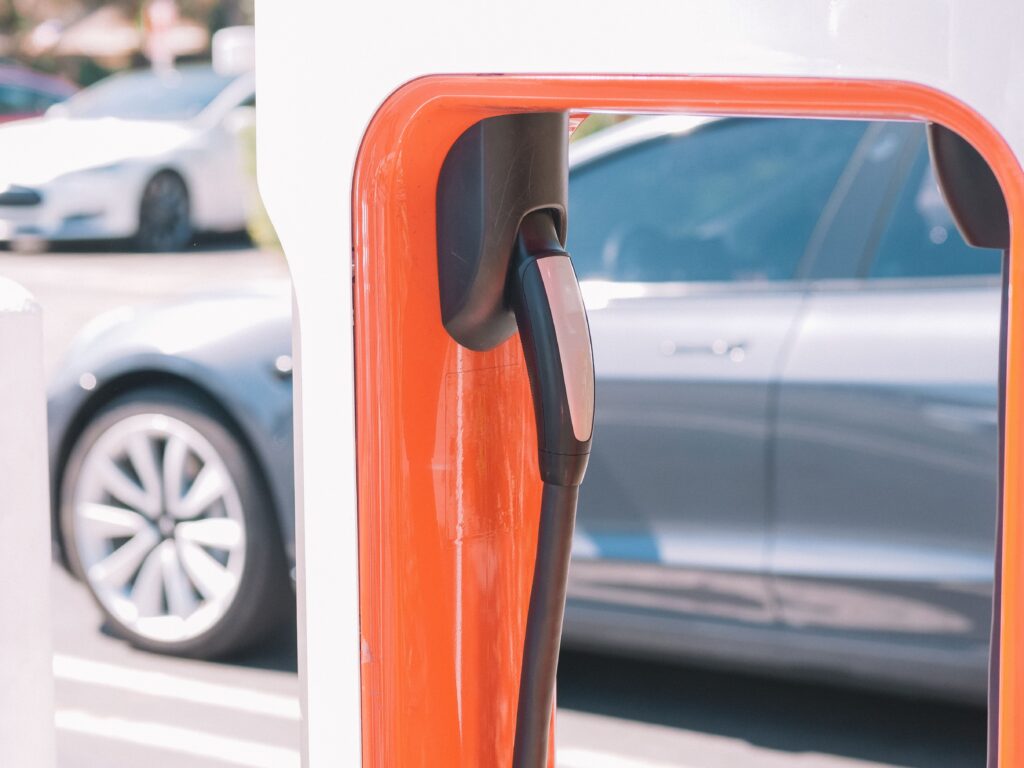
Step 1 — Choose the Right Level 2 Charger for Your Home
Before calling an electrician, you need to decide which charger you are buying. This decision affects the amperage of the circuit your electrician installs, so you want to get it right.
The key specs to understand:
Amperage: Most home Level 2 chargers run on 32-amp or 48-amp circuits. A 32-amp charger delivers roughly 25 miles of range per hour. A 48-amp charger delivers up to 35 miles per hour. For most EVs, 32 amps is plenty. If you drive a long-range truck like a Ford F-150 Lightning or have two EVs to charge, 48 amps makes more sense.
Hardwired vs Plug-In: Hardwired chargers are permanently connected to your electrical panel. Plug-in chargers connect to a NEMA 14-50 outlet (the large 4-prong outlet). Plug-in is more flexible if you rent or plan to move. Hardwired is cleaner and slightly more reliable.
Smart Features: Wi-Fi enabled chargers let you schedule charging, monitor energy use, and take advantage of lower overnight electricity rates from CenterPoint Energy. Brands like Chargepoint Home Flex, Emporia, Wallbox, and Enel X JuiceBox all offer solid app-connected options.
OCPP Compatibility: Open Charge Point Protocol matters if you ever want to integrate with home energy management systems or V2H setups. Not essential for most homeowners, but worth knowing.
Want a detailed breakdown of which charger fits your specific EV and driving habits? Read our full post: How to Choose the Right Level 2 Charger for Your Houston Home
Step 2 — Assess Your Electrical Panel
This is the step many homeowners skip — and it is the one most likely to create surprise costs.
Your home’s electrical panel has a total capacity measured in amps. Most Houston homes built after 1990 have 200-amp panels, which is sufficient for an EV charger. Homes built before the 1980s may have 100-amp panels, which can be a problem.
Adding a 48-amp EV charger circuit draws roughly 60 amps at full load (NEC requires 125% of continuous load). On a 100-amp panel that already serves an HVAC system, water heater, and kitchen appliances, you may not have room.
What your electrician will check:
- Current panel amperage and available breaker slots
- Wire gauge and condition of existing wiring
- Distance from the panel to your garage or charging location
- Whether a panel upgrade or load management device is needed
Panel upgrade costs in Houston: A full 100-amp to 200-amp upgrade typically runs $1,500 to $3,500 depending on the complexity of the work and whether CenterPoint Energy needs to upgrade the service entrance. This is separate from the EV charger installation cost.
Smart load management devices like Emporia Smart Home Energy Manager or the Wallbox Pulsar Plus with Power Boost can often eliminate the need for a full panel upgrade by dynamically limiting charger draw when other large appliances are running.
For a dedicated deep-dive on panel capacity for EV charging, see our post: Home Electrical Panel Upgrades for EV Charger Installation Houston
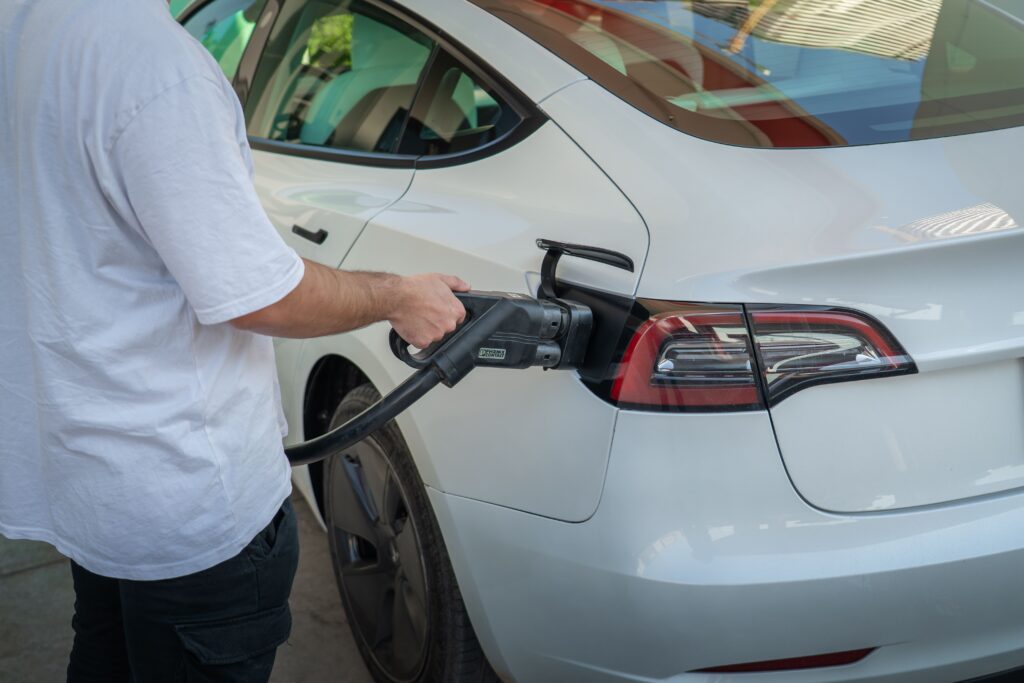
Step 3 — Understand Houston’s EV Charger Permit Requirements
This is where a lot of DIY installations go wrong.
In Houston, any new 240V circuit installation requires an electrical permit from the City of Houston’s Administration & Regulatory Affairs Department. EV charger installations are no exception. The permit requirement applies whether you are hardwiring a charger or installing a new NEMA 14-50 outlet for a plug-in unit.
Here is what the permit process looks like in practice:
Who pulls the permit: Only a licensed Master Electrician can submit an electrical permit application in Houston. You cannot pull the permit yourself as a homeowner for work performed by a contractor.
How permits are submitted: Houston uses the iPermits portal for electrical permit applications. Your electrician submits the application online, pays the fee (typically $50–$150 for a residential EV charger), and schedules an inspection.
Inspection: After the installation is complete, a city inspector verifies the work meets the National Electrical Code (NEC) and local amendments. Most EV charger installations pass inspection without issues when installed by a licensed electrician following NEC Article 625.
Timeline: Permit approval in Houston currently takes 3–10 business days for standard residential electrical work. Some contractors are experienced enough to expedite this.
Why skipping the permit is a bad idea: An unpermitted installation can void your homeowner’s insurance coverage for fire damage related to the charger, create complications when selling your home, and leave you liable if something goes wrong.
For the complete step-by-step permit walkthrough including Houston-specific requirements and suburban city variations, see our detailed guide: EV Charger Permit Houston — Complete 2026 Guide
Step 4 — Hire a Licensed EV Charger Installer in Houston
Not every electrician has experience with EV charger installations. You want someone who knows NEC Article 625, understands the specific requirements of EVSE equipment, and has pulled EV charger permits in Houston before.
What to look for in a Houston EV charger installer:
- TECL License: A Texas Electrical Contractor License is required for any electrical work in Houston. Verify the license at the Texas Department of Licensing and Regulation (TDLR) website.
- Master Electrician on staff: The permit must be pulled by a licensed Master Electrician.
- EVITP Certification: The Electric Vehicle Infrastructure Training Program (EVITP) is an industry credential specifically for EV charger installers. Not required by law in Texas, but a strong signal of expertise.
- Local Houston experience: An installer familiar with Houston’s iPermits system, CenterPoint Energy’s service entrance requirements, and common panel configurations in Houston-area homes will move faster and hit fewer surprises.
Questions to ask before hiring:
- Have you installed EV chargers in Houston before?
- Are you pulling the permit, or is that on me?
- What happens if my panel needs an upgrade?
- Is your quote all-in, or are there line items that can change?
Red flags: Any installer who says a permit is not required, offers a cash-only price with no paperwork, or cannot provide a TDLR license number.
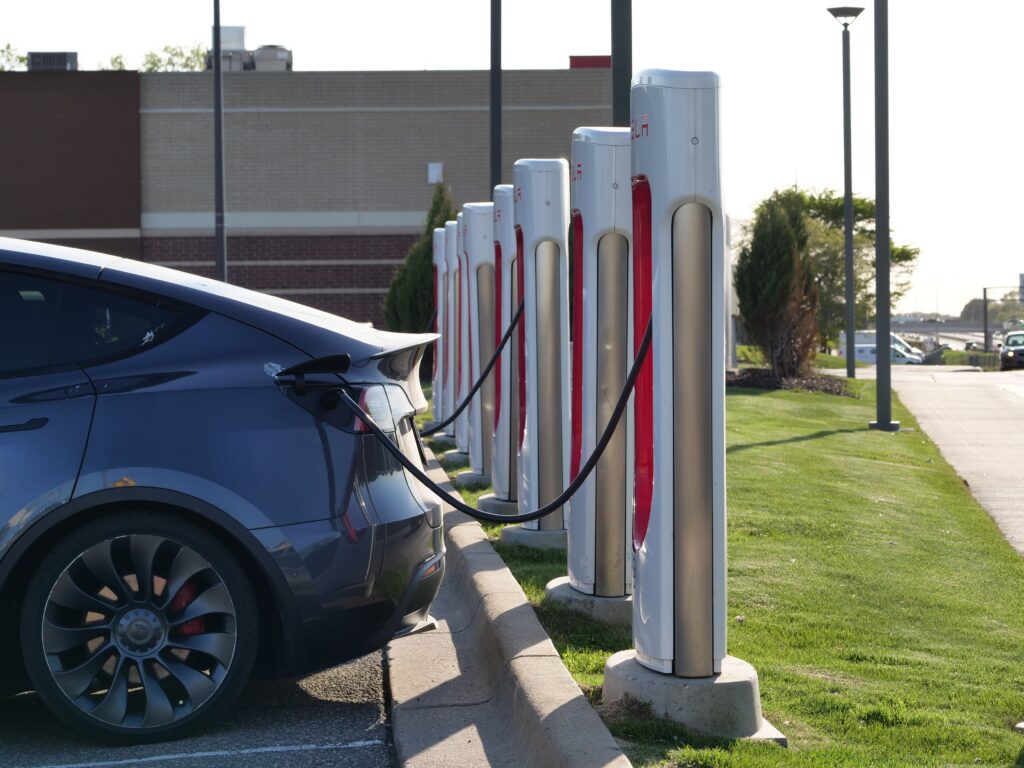
Step 5 — Know What to Expect on Installation Day
Once you have your charger, your electrician is hired, and the permit is in progress, the actual installation day is usually straightforward. Knowing what to expect helps you prepare your home and avoid surprises.
Typical installation timeline: A standard Level 2 EV charger installation in Houston takes 2–4 hours when no panel upgrade is needed. If the electrician needs to run conduit through walls or across a longer distance from the panel to the garage, it may run 4–6 hours.
What the electrician will do:
- Assess the panel and confirm available capacity
- Run conduit or wire from the panel to the charging location
- Install the circuit breaker in the panel
- Mount the charger unit on the wall
- Connect and test the charger
- Leave the site ready for inspection
What you need to prepare:
- Clear access to your electrical panel (move storage, cars, etc.)
- Decide exactly where on the wall you want the charger mounted
- Know which vehicle(s) will be charging — this affects cable length and mounting height
- Have your charger’s installation manual available if it has specific requirements
City inspection: The inspector will visit after installation — not during. Your electrician will typically schedule this. You or someone 18+ needs to be home for the inspection, and the inspector needs access to both the charger and the panel.
Want a full walkthrough of installation day including what questions to ask your electrician while they’re on-site? Read: What to Expect on EV Charger Installation Day in Houston
How Long Does EV Charger Installation Take in Houston?
The short answer: the actual installation is usually 2–4 hours. But the full timeline from decision to done is typically 1–3 weeks when you include shopping for a charger, getting quotes, permit approval, and scheduling the installation.
Here is a realistic breakdown of the full timeline:
| Stage | Time Required |
|---|---|
| Research and choose charger | 1–3 days |
| Get installer quotes | 2–5 days |
| Permit application and approval | 3–10 business days |
| Schedule installation date | 1–5 days |
| Installation day (labor) | 2–6 hours |
| City inspection | 1–3 days after installation |
Factors that can extend the timeline: panel upgrades (add 1–2 weeks), conduit runs through finished walls (adds complexity), and high installer demand during summer months in Houston (schedule early).
For a detailed breakdown including what can speed up or slow down each stage, read our dedicated post: How Long Does EV Charger Installation Take in Houston?
EV Charger Installation Cost in Houston — What to Budget
Cost is the question every Houston homeowner asks first. Here is an honest breakdown.
Typical total cost range: $800 – $2,500
That range is wide because costs vary significantly based on your home’s electrical setup, the charger you choose, and where you need the outlet or hardwired connection installed.
Cost breakdown:
| Component | Typical Cost Range |
|---|---|
| Level 2 charger unit (32-amp) | $200 – $500 |
| Level 2 charger unit (48-amp smart) | $400 – $800 |
| Electrician labor (simple install) | $300 – $600 |
| Electrician labor (complex run) | $600 – $1,200 |
| Permit fee (City of Houston) | $50 – $150 |
| Panel upgrade (if needed) | $1,500 – $3,500 |
What drives cost up:
- Long conduit runs from panel to garage (especially in detached garages)
- Older homes with 100-amp panels needing upgrades
- Premium smart charger hardware
- Higher-amperage 48-amp circuits vs standard 32-amp
What drives cost down:
- Panel is close to the garage
- Existing 240V outlet nearby
- Choosing a reliable mid-range charger over a premium brand
- Federal tax credit (30% of total installation cost, up to $1,000 under the Alternative Fuel Vehicle Refueling Property Credit)
For a complete cost guide with real Houston contractor price comparisons, see: EV Charger Installation Cost in Houston
Tesla Owners: What’s Different About Tesla Charger Installation in Houston?
If you drive a Tesla, the installation process is mostly the same as any other EV — but there are a few Tesla-specific considerations worth knowing.
Tesla Wall Connector: Tesla’s proprietary home charger is excellent. The Gen 3 Wall Connector delivers up to 44 miles of range per hour on a 60-amp circuit and works seamlessly with the Tesla app for scheduling and monitoring.
Non-Tesla electricians can install it: You do not need to use Tesla’s own installation service. Any licensed Houston electrician can install a Tesla Wall Connector — it mounts and wires like any other hardwired Level 2 charger. Just make sure they have installed one before.
Universal chargers also work: Since Tesla added the J1772 adapter to all new vehicles and now uses NACS (North American Charging Standard) on their vehicles, any universal Level 2 charger with a NACS connector or included adapter will charge your Tesla just fine.
Cost: Tesla Wall Connector installation in Houston typically runs $900 – $2,500 depending on panel capacity and conduit run length.
For the full Tesla-specific installation guide including Gen 3 Wall Connector specs and Houston installer options: Tesla Charger Installation Houston
Where to Mount Your Home EV Charger in Houston
Most Houston homeowners install their charger in the garage, but the right location depends on your specific setup.
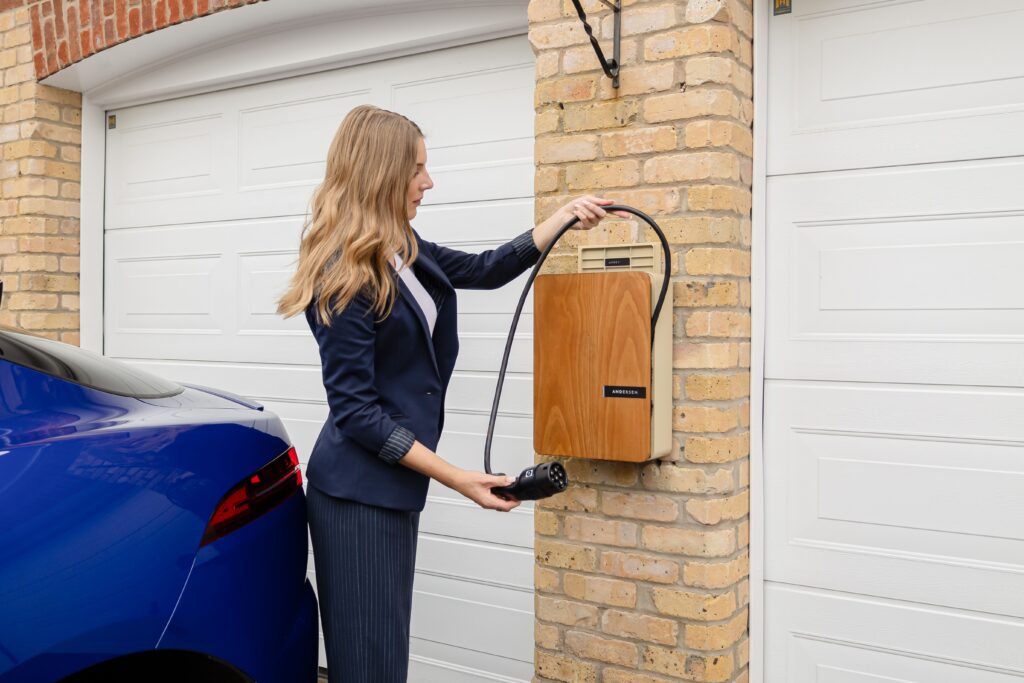
Attached garage: The most common and most convenient location. Typically closest to your electrical panel, minimizing conduit run length and cost. Mount on the wall near where your car’s charge port will be when parked.
Detached garage: More expensive because of the longer conduit run, which may need to go underground. Budget an additional $300–$800 for trenching and conduit if your detached garage lacks an existing 240V circuit.
Exterior wall / driveway: Some Houston homeowners without garages install a weatherproof Level 2 charger on an exterior wall. The charger must be rated for outdoor use (NEMA 4 or higher). This works well but requires a conduit run through an exterior wall.
Carport: Same as exterior installation. Ensure the charger has appropriate weather protection.
Mounting height: Standard mounting height is 48 inches from the floor to the center of the unit, but this varies based on your vehicle’s charge port location. Your electrician or the charger manual will specify.
Cable management: Make sure the charger’s cable is long enough to reach your vehicle’s charge port comfortably. Most 18-foot cables cover standard parking positions, but measure before you finalize the mounting position.
For detailed guidance on choosing the optimal mounting location in your specific home setup, read: Best Locations to Mount Your Home EV Charger in Houston
CenterPoint Energy and Your EV Charger
Houston’s electricity is delivered through CenterPoint Energy’s grid, and there are a few things EV owners should know about how CenterPoint’s rates and programs can work in your favor.
Time-of-use rates: Some retail electric providers in Houston offer time-of-use plans that charge significantly lower rates during off-peak hours (typically 9 PM – 6 AM). Charging your EV overnight during these windows can cut your charging costs dramatically — sometimes by 40–60% versus peak rates.
Smart charger scheduling: A Wi-Fi-enabled Level 2 charger lets you set a charging schedule so your car automatically charges during off-peak hours. This requires no action from you each night.
CenterPoint infrastructure: For larger panel upgrades or service entrance changes, CenterPoint coordinates with your licensed electrician. Response times for service upgrades are typically 2–4 weeks, which can extend your overall installation timeline.
EV Charger Installation Houston: Frequently Asked Questions
Do I need a permit for an EV charger in Houston? Yes. Any new 240V circuit requires an electrical permit from the City of Houston. Your licensed electrician handles this through the iPermits portal.
Can I install an EV charger myself in Houston? Legally, a homeowner can do their own electrical work on their own residence in Texas — but only a licensed Master Electrician can pull the permit for work done by a contractor. DIY installation without a permit creates insurance and resale risk. Most homeowners are better served hiring a licensed electrician.
How much does a Level 2 EV charger cost to install in Houston? Total cost including charger hardware, labor, and permit is typically $800–$2,500 for a straightforward installation. Panel upgrades add $1,500–$3,500.
Is there a tax credit for EV charger installation? Yes. The federal Alternative Fuel Vehicle Refueling Property Credit covers 30% of installation costs up to $1,000 for residential installations. Consult a tax professional to confirm your eligibility.
How long does installation take? The physical installation takes 2–6 hours. The full process from permit to final inspection is typically 1–3 weeks.
What is the best EV charger brand for Houston homes? ChargePoint Home Flex, Emporia, Wallbox, and Enel X JuiceBox are all well-regarded options. Tesla Wall Connector is the top choice for Tesla owners. Brand matters less than proper installation by a licensed electrician.
Summary: Your EV Charger Installation Checklist for Houston
- Choose your Level 2 charger (32-amp vs 48-amp, smart vs basic)
- Have your electrical panel assessed for available capacity
- Get 2–3 quotes from licensed Houston electricians
- Confirm your electrician will pull the permit through iPermits
- Decide on mounting location (garage wall, exterior, carport)
- Schedule installation and plan for city inspection
- Set up overnight charging schedule with your retail electric provider
Getting a home EV charger installed in Houston is a straightforward project when you work with the right electrician and understand the permit process. Most homeowners complete the entire process within two to three weeks and wonder why they waited.
Related Posts
- How to Choose the Right Level 2 Charger for Your Houston Home
- What to Expect on EV Charger Installation Day in Houston
- How Long Does EV Charger Installation Take in Houston?
- Best Locations to Mount Your Home EV Charger in Houston
- Home Electrical Panel Upgrades for EV Charger Installation Houston
- EV Charger Permit Houston — Complete 2026 Guide
- EV Charger Installation Cost in Houston
- Tesla Charger Installation Houston
The Houston Climate Factor: Why Your Charger Location Matters More Here
Houston’s heat, humidity, and occasional flooding are not factors in most EV charger guides — but they matter here.
Heat: Houston summers routinely hit 95–100°F with high humidity. While most Level 2 chargers are rated for outdoor use, prolonged exposure to direct sun can affect longevity. If you are mounting on an exterior wall, choose a shaded location or add a simple shade cover. Indoor garage installation naturally avoids this issue.
Flooding: If your home is in a flood-prone area — which a significant portion of Houston homes are, especially post-Harvey — consider the mounting height of an exterior charger. The NEC minimum mounting height is 18 inches above grade for outdoor EVSE, but in flood-prone areas many Houston electricians recommend 36–48 inches minimum.
GFCI Protection: All outdoor EV charger circuits must have Ground Fault Circuit Interrupter (GFCI) protection per NEC Article 625. This is not optional and any licensed Houston electrician will include it. In Houston’s humid climate, GFCI protection is especially important.
Hurricane prep: Hardwired chargers cannot simply be unplugged and brought inside before a storm. If your charger is exterior-mounted, make sure it carries at minimum a NEMA 4 weather rating. Some Houston homeowners with exterior chargers add a lockable weatherproof cover for additional protection.
EV Charger Installation for Houston Apartments and Townhomes
Single-family home installations are straightforward, but a significant portion of Houston EV owners live in apartments, condos, or townhomes — and the situation is more complex.
Townhomes with attached garages: Generally the same process as a single-family home. You own the garage space and can have a charger installed. The HOA may have a say in exterior modifications, but Texas law (Property Code Section 202.010) limits HOAs from prohibiting EV charger installation on property you own or exclusively control.
Condos and apartments: If you do not own the garage or parking space, you need your landlord or HOA’s permission to install a charger. Texas law prohibits HOAs from unreasonably restricting EV charger installation in your exclusive-use space, but installation in a shared garage or on common property requires landlord/HOA agreement.
Shared charging solutions: Some Houston apartment complexes are adding shared Level 2 chargers in common parking areas. ChargePoint and Blink are the most common networks in Houston multifamily properties. If your building does not have them yet, presenting the business case to management — including the growing percentage of EV owners among tenants — has worked for many Houston residents.
Portable Level 2 chargers: A middle ground for renters who want more speed than Level 1 but cannot install a permanent unit. Devices like the Lectron Portable EVSE or Chargepoint Flex plug into an existing NEMA 14-50 outlet (if your building has one in your parking space) and deliver Level 2 speeds without permanent installation.
Making the Most of Your Home EV Charger in Houston
Once your charger is installed, a few habits will maximize its value.
Charge overnight: Set your charger to start at 9 PM or later when retail electricity rates are typically lower. Most EVs and smart chargers let you set a departure time — your car will be at your target charge level when you wake up.
Do not charge to 100% daily: For most lithium-ion EV batteries, charging to 80–90% daily and reserving 100% charges for long trips extends long-term battery health. Tesla, Rivian, and most other manufacturers recommend this in their owner’s manuals.
Monitor your energy use: A smart charger with app connectivity shows exactly how much energy your EV uses per month. Over time this helps you compare the true cost of driving electric versus gasoline — the savings are typically significant in Houston, where electricity rates per mile are roughly 40–60% lower than gasoline costs per mile at current prices.
Schedule annual charger inspection: While Level 2 chargers are low maintenance, having your electrician check the connections annually — especially in Houston’s humid climate — is good practice. Look for any signs of corrosion, loose connections, or cable damage.
Next Steps: Get Your Houston EV Charger Installed
Ready to move forward? Here is the fastest path from reading this guide to waking up with a full charge every morning:
- Pick your charger — Start with our guide on choosing the right Level 2 charger for your Houston home if you have not already.
- Contact 2–3 licensed Houston electricians — Get quotes that include permit fees and any panel assessment. Make sure each quote specifies whether it is all-in or subject to change based on panel capacity.
- Confirm the permit process — Any legitimate Houston EV charger installer will pull the permit as part of the job. If a contractor tells you a permit is not required, that is a red flag.
- Schedule your installation — Summer months are busy for Houston electricians. Book at least 1–2 weeks out to get a convenient date.
- Set up your charging schedule — Once installed, connect your charger to its app, configure overnight charging windows, and contact your retail electric provider about time-of-use rate plans.
Houston is one of the fastest-growing EV markets in Texas. The infrastructure, the incentives, and the technology are all in place. Your home charger is the piece that makes EV ownership genuinely convenient day to day.